

Communication is one of the most important skills a child develops. It shapes how they connect with others, express their needs, build friendships, participate in learning, and develop confidence.
As Speech Pathologists, we are often asked:
“How can I help my child’s communication skills at home?”
The good news is that supporting communication development doesn’t require expensive resources or complicated activities. Some of the most powerful opportunities occur during everyday routines and interactions. At Learn and Grow Therapies, we know that parents and caregivers play a vital role in helping children become confident communicators.
What Does It Mean to Be a Confident Communicator?
A confident communicator is not necessarily the child who talks the most.
Rather, confident communicators are children who can:
- Share their thoughts, ideas, and feelings
- Participate in conversations
- Ask questions
- Build relationships with others
- Understand and respond to communication around them
- Feel comfortable expressing themselves in different environments
Communication development begins long before children speak in full sentences. Every interaction, shared experience, and conversation helps build the foundation for future communication success.
Three Simple Ways to Support Communication Development at Home
1. Reduce Solo Screen Time
Technology is a part of modern life, but research has shown that excessive solo screen time can impact opportunities for communication and language development. This is true even for many applications marketed as educational.
Children learn language best through real-life interactions with responsive adults and peers. Communication develops through:
- Turn-taking
- Shared attention
- Facial expressions
- Gestures
- Conversations
- Play experiences
When children spend large amounts of time engaged in solo screen activities, they may miss valuable opportunities to practise these skills.
This doesn’t mean screens must be eliminated entirely. Instead, focus on creating a healthy balance and prioritising interactive experiences that encourage engagement, conversation, and connection.
2. Narrate Your Day and Play
One of the most effective strategies for fostering language development is surprisingly simple: talk about what you’re doing throughout the day.
Speech Pathologists often refer to this as narration or self-talk.
For example, while playing or completing daily tasks, you might say:
- “The block is up high.”
- “Let’s put your shoes on.”
- “I’m pouring the water into the cup.”
- “The car is going fast!”
These simple comments expose children to meaningful language within real contexts.
When parents narrate play and daily routines, children hear words repeatedly, learn how language is used naturally, and develop a stronger understanding of vocabulary and concepts.
Importantly, this approach removes pressure from the child. Rather than constantly asking questions, you’re providing rich language models that children can absorb, understand, and eventually use themselves.

3. Read Books Together
Reading together is one of the most powerful tools for supporting communication development. Many parents feel they need to read every word exactly as written, but that’s not the case. In fact, some of the richest language learning happens when you:
- Talk about the pictures
- Follow your child’s interests
- Comment on what you see
- Ask simple questions
- Encourage your child to point, label, or share ideas
Shared book reading helps children:
- Learn new vocabulary
- Develop listening skills
- Build attention and interaction skills
- Strengthen comprehension
- Increase confidence when communicating
- Most importantly, reading together creates warm, meaningful moments that strengthen connection while supporting development.
When Should Parents Seek Additional Support?
While many communication challenges can improve with targeted support and environmental changes, early identification remains incredibly important.
Consider a Hearing Assessment
Hearing can fluctuate, particularly in young children. If concerns exist regarding listening, understanding, or responding to communication, an assessment with an Audiologist can provide valuable information. The recommendation is not to simply “wait and see” when concerns arise.
Try the “4 S’s” Communication Strategy
A helpful approach when supporting communication is the “4 S’s”:
- Say Less
Use short, simple phrases. - Stress
Emphasise key words. - Go Slow
Pause and allow processing time. - Show
Use gestures, pointing, visuals, and objects to support understanding.
These strategies reduce communication demands and make language easier for children to process and understand.
Recast and Repeat
Another highly effective technique is “Recast and Repeat.” This involves:
- Listening to what your child says
- Working out their intended message
- Saying it back clearly
- Repeating it naturally throughout play and daily activities
- Rather than correcting a child directly, recasting provides a positive, supportive model of language.
Trust Your Instincts
Parents know their children best.
If something doesn’t feel right, whether it’s communication, listening, understanding, social interaction, or speech development, it’s okay to ask questions and seek support. Early intervention is widely recognised as the gold standard because it allows children to access support during critical developmental periods.
Communication development is not something families need to navigate alone.
The most effective outcomes occur when families, educators, Speech Pathologists, Audiologists, GPs, and other professionals work together to understand a child’s strengths and support their growth consistently across home, kindy, and school environments.
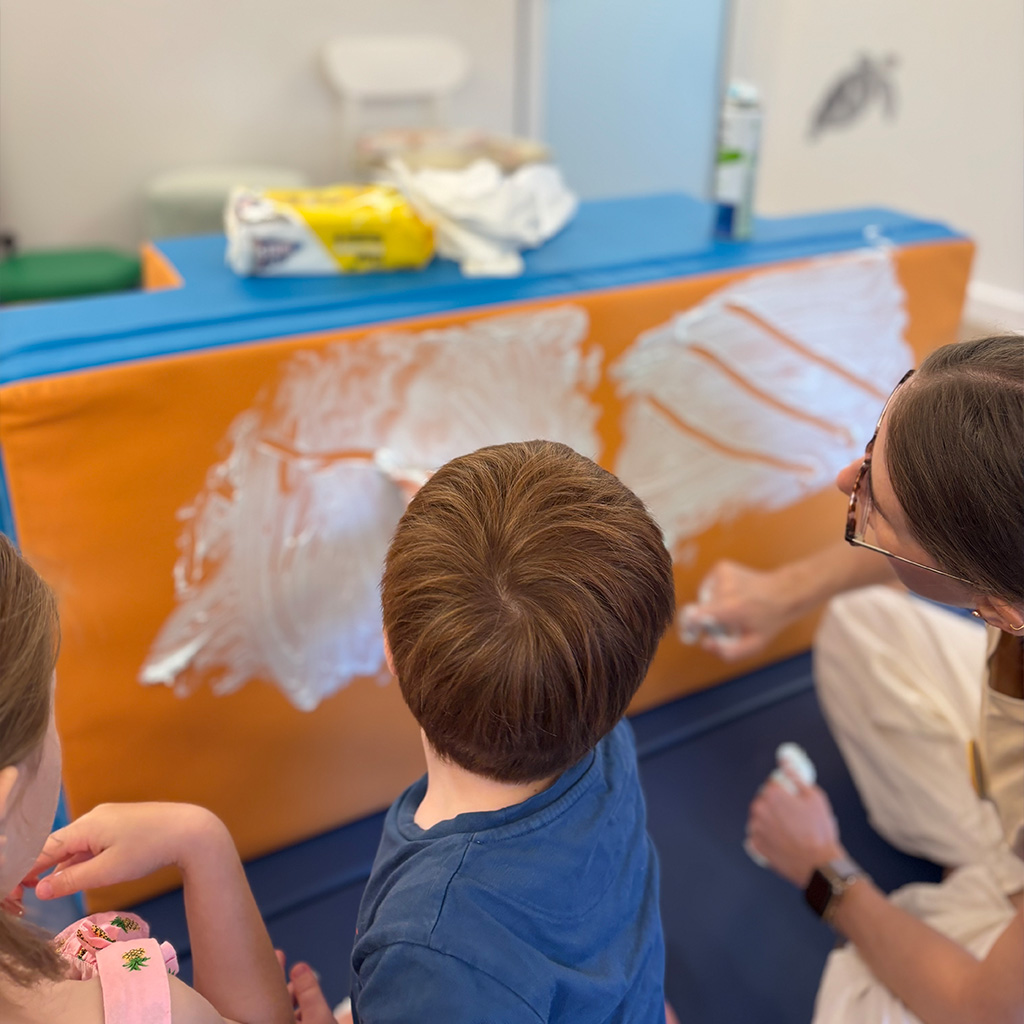
How Learn and Grow Therapies Can Help
At Learn and Grow Therapies, we take a strengths-based, neuroaffirming approach to supporting children’s communication development.
Our team works alongside families to:
- Understand each child’s unique communication profile
- Identify strengths and areas requiring support
- Provide practical strategies that fit into everyday family life
- Collaborate with educators and other professionals
- Empower children to develop confidence in their communication skills
Because every child deserves the opportunity to connect, participate, and be heard.
Concerned About Your Child’s Communication Development?
If you have questions about your child’s communication, listening, language, or social interaction skills, reaching out early can provide clarity and peace of mind.
Contact Learn and Grow Therapies to discuss your concerns and learn more about how our Speech Pathology team can support your child’s communication journey.
